

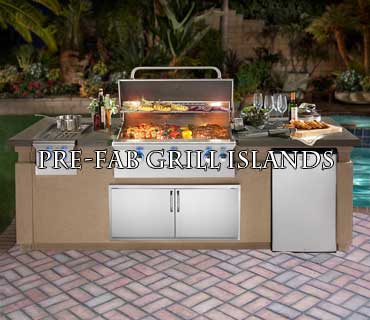



Built-in gas grills are usually the anchor appliance in an outdoor kitchen. They are chosen for performance, yes, but also for how cleanly they integrate into cabinetry, stone, and countertop layouts. When the planning is solid, the grill feels like it belongs there - not like something that was dropped in at the last minute.

Explore the full guide
Why Built-In Gas Grills Are Different
A built-in grill is designed to live inside an enclosure. That changes the rules around airflow, service access, and heat management. With a freestanding grill, the manufacturer controls the full cabinet and ventilation path. With the built-in, the island becomes part of the system, which is why planning matters.

In practice, a well-matched built-in setup feels stable and predictable. The grill sits at a consistent working height, the counter space supports prep and plating, and storage ends up where you actually use it.
If you want a deeper breakdown, start here: How Built-In Gas Grills Work.
Choosing the Right Built-In Gas Grill
Most buying mistakes happen when a grill is picked in isolation. It is easy to focus on features and ignore the basics: how you cook, how often you cook, and what the island can realistically support. A smarter approach is to choose by cooking habits first, then confirm the grill fits the physical build and utility plan.
For a step-by-step approach that keeps the decision grounded, see Choosing the Right Built-In Gas Grill.
Brands and Model Considerations

Built-in grills can look similar in photos while behaving very differently in real use. Differences often show up in heat stability, burner layout, how evenly the grill recovers after the lid opens, and how the internals hold up after repeated cooks and cleanings.
If you are comparing options, this overview helps you narrow it down without guessing: Built-In Gas Grill Brands & Top Models.
Installation and Safety Planning
With built-in grills, installation is not a side note. Clearances, ventilation, and gas planning are structural requirements. Done right, the grill runs cleaner and lasts longer. Done poorly, you can end up with hot spots, restricted airflow, or frustrating service access later on.
Before you finalize any island layout, review Built-In Gas Grill Installation & Safety.
Designing an Outdoor Kitchen Around a Built-In Grill
The grill usually sets the layout. Once its position is locked, you can plan landing space, prep space, storage, and traffic flow so the kitchen feels natural. A good layout is less about filling the island with appliances and more about making the cooking zone comfortable and usable.
For layout guidance, see Outdoor Kitchen Design with Built-In Gas Grills.
Accessories and Functional Add-Ons

Accessories are most valuable when they support how you cook. Storage access, lighting, and well-chosen add-ons can make the space feel finished - not just visually, but functionally.
Start here: Built-In Gas Grill Accessories & Add-Ons.
Care, Maintenance, and Long-Term Use
Built-in grills are exposed to weather, grease, heat, and repeated use. The good news is that most longevity issues come down to basic habits. A little consistency goes a long way - especially once the grill is part of a finished island.
For a maintenance routine and common troubleshooting, see Built-In Grill Care & Troubleshooting.
Ready to choose a built-in grill?
Browse the current built-in gas grill selection here: Built-In Gas Grills.