



Outdoor Kitchen Ventilation: Clearance, Island Vents, and Hood Requirements Explained
Ventilation is one of the most misunderstood parts of outdoor kitchen planning. Many homeowners focus on grill size, layout, and finishes, only to discover later that poor airflow or missing vents can create safety issues, performance problems, or costly rework.
Proper ventilation is not about aesthetics. It is about managing heat, combustion gases, and airflow so grills and other appliances operate as intended. Whether you are using a prefabricated grill island or building a custom structure, ventilation must be planned from the beginning.
Backyard Patio Oasis supplies the grills, island vents, vent hoods, and components required for safe outdoor kitchen installations. This guide explains how ventilation works, where vents belong, when a hood is required, and how to avoid the most common mistakes.

Why Ventilation Matters in Outdoor Kitchens
Outdoor kitchens still involve open flames, gas supply lines, and heat buildup. Even in open-air environments, trapped gas or excessive heat inside an island enclosure can become dangerous.
Ventilation serves three primary purposes:
- Gas safety: Prevents gas accumulation inside enclosed island cavities.
- Heat dissipation: Allows heat to escape, protecting appliances and finishes.
- Appliance performance: Ensures proper combustion and burner efficiency.
Manufacturers design built-in grills and side burners with specific airflow assumptions. Ignoring those requirements can shorten equipment life or void warranties.
Built-In Grill Clearance Basics
Clearance requirements vary by manufacturer and model, but the principle is consistent: combustible materials must be kept a safe distance from heat-producing appliances.
Clearance applies to:
- Rear walls and side panels
- Countertop edges
- Overhead structures
- Adjacent cabinetry
Always follow the installation manual for your specific grill. When installing into masonry or non-combustible materials, clearances are often reduced, but they are never eliminated.

Island Vents: What They Do and Where They Go
Island vents are required whenever gas appliances are installed inside an enclosed island structure. Their job is to allow any leaked gas to escape safely rather than collect inside the cabinet.
How Island Vents Work
Gas is heavier than air. If a leak occurs, it will settle toward the bottom of the enclosure. Properly placed vents allow gas to exit before it reaches a dangerous concentration.
Correct Vent Placement
- Installed on the side or rear of the island
- Positioned low, near the bottom of the enclosure
- Typically, just below the countertop overhang
- One vent per enclosed gas cavity (check manufacturer guidance)
You can find compatible vent panels in the Outdoor Kitchen Components section.

When a Vent Hood Is Required
A common misconception is that outdoor kitchens never need vent hoods. In reality, any grill installed under a solid roof, a pergola with solid panels, or an enclosed structure requires overhead ventilation.
Vent Hood Required If:
- The grill is installed under a roof or ceiling
- Smoke cannot freely rise and dissipate
- The manufacturer specifies hood use
Vent hoods remove smoke, heat, grease vapor, and combustion byproducts. They also protect ceilings, lighting, and finishes from long-term damage.

Common Ventilation Mistakes to Avoid
- Skipping the island vents because the kitchen is outdoors
- Installing vents too high in the enclosure
- Blocking vents with storage items
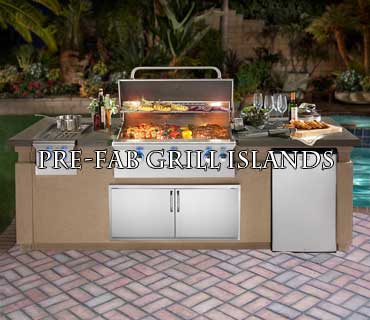
- Assuming prefab islands do not need additional venting
- Ignoring hood requirements under covered patios
These mistakes can compromise safety and reduce appliance performance over time.
Choosing the Right Ventilation Components
Selecting the right vents and hoods depends on:
- Grill type and fuel source
- Island construction method
- Covered vs uncovered installation
- Local building requirements
Backyard Patio Oasis offers vent panels, hoods, and related components that match common island construction styles and grill configurations. Always confirm compatibility before ordering.
Key Takeaways
- Ventilation is a core safety requirement, not an optional upgrade.
- Island vents prevent gas buildup inside enclosed grill islands.
- Vent placement should be low and positioned according to manufacturer guidance.
- Vent hoods are required when grills are installed under solid overhead structures.
- Prefab islands simplify vent placement; custom builds require careful planning.
- Always follow the manufacturer's installation instructions and local codes.