

Designing an outdoor kitchen is one of the most rewarding upgrades you can make to a backyard. Whether you are updating an existing grill island or starting fresh with a new layout, the right combination of components can turn a basic patio into a comfortable, practical cooking space.
Backyard Patio Oasis specializes in selling everything you need to build, update, or expand your outdoor kitchen – from grill heads and side burners to access doors, storage components, venting, refrigeration, and outdoor living essentials. We understand how these pieces come together in real installations thanks to years of hands-on experience in the industry.
This guide gives you a clear path for planning a functional outdoor kitchen, with practical advice you can use whether you are building your own island or working with a contractor.
Start With How You Actually Cook
Before choosing appliances or deciding on an island layout, take a moment to think about real backyard habits.
Questions that help:
- Do you mainly grill weeknight meals, host larger get-togethers, or both?
- Are quick cooks your style, or do you prefer slow-smoked ribs or all-day gatherings?
- Will the cooking area sit close to the house, on a pool deck, or against a fence line?
- Where do people naturally walk, sit, and gather in your yard?
Walk the area at different times of day and notice:
- Where the sun hits hardest in the afternoon
- Which direction does the wind push the smoke
- Whether there are natural traffic lanes where guests enter and exit the space
These small observations help prevent common design frustrations – such as smoke blowing across the dining table every time you sear steaks, or placing seating right behind a hot grill lid.

Focus on the Four Essential Outdoor Kitchen Zones
Functional outdoor kitchens tend to follow four basic zones. Planning around them keeps the space comfortable to use and easier to build.
1. Cooking Zone
This is the anchor of the entire setup. It typically includes:
- A built-in grill
- Optional side burner or power burner
- Optional smoker
- Optional pizza oven
When selecting equipment, think about how you cook, not just what looks impressive. For example:
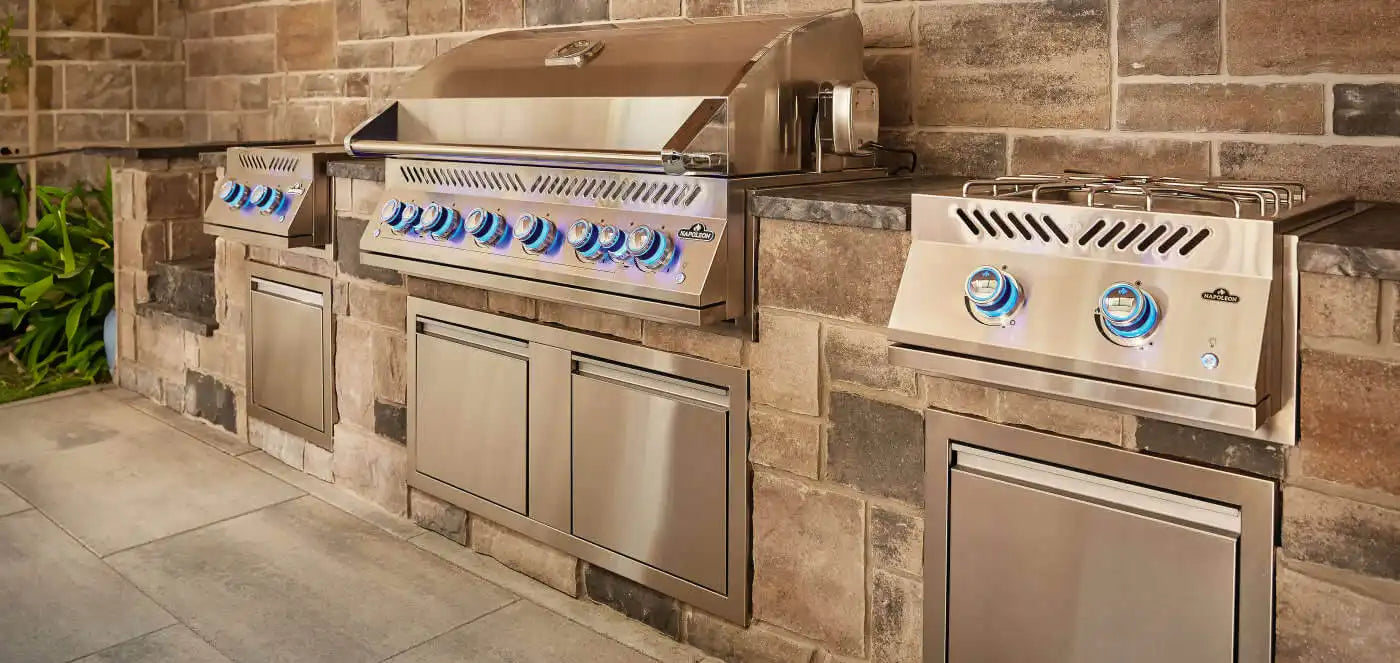
- A homeowner who grills three nights a week might choose a reliable built-in gas grill like those available in the Built-In Grills Collection.
- Someone who hosts large gatherings may appreciate the flexibility of a multi-zone grill combined with a dedicated side burner from the Outdoor Kitchen Components selection.
Clearances, ventilation, and non-combustible surfaces are critical in this zone. Always follow the manufacturer's installation guide and local codes.
2. Prep & Landing Zone
This is where most of the real work happens.
Typical components include:
- Counter space
- Storage drawers and access doors
- Optional outdoor sink or bar center
- Cutting surface and utensil storage
Good prep layout prevents clutter and saves steps. A simple pairing, such as a built-in grill, an access door, and a drawer combo, creates a highly usable station without taking up extra space. This is where pieces like the products in the Access Doors & Drawer Combos category fit in naturally.
3. Serving & Plating Zone
Once food leaves the grill, it needs a landing spot. This can be:
- A stretch of countertop on the island
- A raised bartop attached to the island
- A separate outdoor dining table
- A buffet-style surface or prep cart
If your patio is on the smaller side, doubling the prep area as the serving area is completely fine – just keep the grill lid swing in mind when placing dishes.
4. Entertaining Zone
This is where people naturally gather, talk, and relax.
It may include:
- A dining set
- A conversational seating area
- An outdoor fire feature for cool nights
- A TV or audio setup
- Patio heaters to extend the season
Keeping this area just far enough from the cooking zone ensures heat and smoke stay out of the seating area while still keeping the cook connected to guests.

Choose a Layout That Matches Your Space
Outdoor kitchens typically fall into a few established shapes. Choosing the right one helps organize your zones naturally.
Straight Run
Best for narrow patios or townhomes. A single line of appliances and components creates a clean, simple workflow.
L-Shaped Layout
One of the most popular choices. It separates cooking from prep or serving space and works well in mid-sized yards.
U-Shaped Layout
Ideal for larger patios. It provides plenty of counter space, storage, and can include its own seating or bar section.
Modular or Pre-Fab Islands
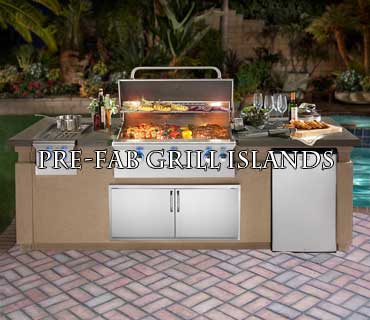
Pre-built islands like those in the Pre-Fab Grill Islands category simplify installation. Many homeowners choose these when they want a fast setup with a predictable footprint.
Select Appliances and Components Intentionally
A functional outdoor kitchen does not require an overwhelming list of gadgets. Build around a few essentials and add specialty pieces later if needed.
Primary Grill
The main decision for almost every backyard. Common choices include:
- Built-in gas grills for dependable everyday cooking
- Freestanding gas grills when mobility or flexible placement matters
- Charcoal or kamado grills for flavor-focused cooks
- Pellet grills for consistent smoking and low-and-slow meals
- Pizza ovens for specialized high-heat cooking
You can explore all fuel types inside the Grills & Smokers section.
Side Burners & Power Burners
Side burners are useful for boiling pasta, simmering sauces, wok cooking, or doing seafood boils without heating the kitchen indoors.
Refrigeration & Cooling
An outdoor refrigerator keeps ingredients close and reduces trips inside. Ice bins or bar centers enhance serving and drink setups.
Storage & Access Doors
Storage matters more outdoors because you want:
- Weather-resistant compartments
- Quick access to tools and seasonings
- Safe access to gas lines and utility hookups
You can browse options in the Outdoor Kitchen Storage collection.
Venting & Safety Components
Proper ventilation is essential for safety and performance. Most islands require:
- Island vents for gas airflow
- Back or bottom vents, depending on fuel type
- A vent hood, if installed under a covered structure
These are non-negotiable for safe operation.

Plan for Utilities and Code Requirements
This is the part many homeowners overlook.
Gas & Electrical
A licensed professional should always install:
- Natural gas lines
- Propane lines and regulators
- Electrical outlets for refrigerators, lighting, or rotisserie motors
- GFCI-protected outlets near sinks
Water (Optional)
If you choose a sink or bar center, plan for:
- Water supply lines
- Drainage
- Freeze protection if you live in a cold climate
Lighting
Good lighting allows you to cook safely after sunset. Combine:
- Task lights above the grill
- Accent lighting under counters
- Ambient lighting around seating areas
Lighting belongs to both function and ambiance – it makes a big difference in real-world use.
Design for Comfort and Year-Round Use
A beautiful outdoor kitchen only gets used if it is comfortable.
Shade and Sun Control
Consider umbrellas, pergolas, or shade sails if the grill area gets strong afternoon sun.
Evening Comfort
Outdoor heating options like patio heaters or fire features keep the space inviting on cool nights.
Durability
Use:
- Outdoor-rated appliances
- Weather-resistant cabinetry
- Countertops that withstand heat, UV, and moisture
- Quality covers to protect equipment when not in use
This reduces maintenance and keeps performance consistent over time.
Bringing It All Together
Once you have mapped your zones, chosen a layout, and identified the core components you need, the rest is about selecting durable, compatible pieces. Backyard Patio Oasis offers a full range of grills, components, and accessories so you can build or upgrade an outdoor kitchen without guessing whether a product fits your island.
If you ever need help understanding product compatibility or selecting the right island components, the product support team at Backyard Patio Oasis is available to help – but the design of your layout stays in your hands.

Key Takeaways
- Outdoor kitchens work best when organized into four zones: cooking, prep, serving, and entertaining.
- Clearances, ventilation, and non-combustible materials are required for safe installation.
- Your layout should match how you cook – straight runs, L-shapes, U-shapes, or modular islands all work well when planned intentionally.
- Build around essential components first (grill, storage, refrigeration), then add specialty items as needed.
- Lighting, shade, and heating determine whether the space feels usable year-round.
- Backyard Patio Oasis provides the grills, components, and accessories needed to build or upgrade an outdoor kitchen – without offering design services.
- Always follow the manufacturer's installation instructions and local code requirements.