


How to Choose the Right Fuel Type
Quick Answer
Gas grills are best for convenience and frequent cooking, charcoal grills appeal to those who prioritize traditional flavor, and pellet grills offer precise temperature control for low-and-slow cooking. The right choice depends on how you cook, how often you grill, and how much control you want.

Fuel Types at a Glance
- Gas: Quick startup, easy control, minimal cleanup.
- Charcoal: Traditional cooking experience with high heat and smoke flavor.
- Pellet: Wood-fired flavor with automated temperature control.
Each fuel type excels at different styles of outdoor cooking. Understanding the trade-offs helps avoid buying a grill that does not match how you actually cook.
Gas Grills Explained
Gas grills run on natural gas or propane and are the most common choice for outdoor kitchens. They are designed for fast, repeatable cooking with straightforward temperature adjustment.
Advantages of gas grills
- Fast ignition and heat-up
- Easy temperature control
- Low daily maintenance
- Well-suited for built-in installations
Things to consider
- Less smoke flavor compared to charcoal or pellets
- Requires gas supply planning
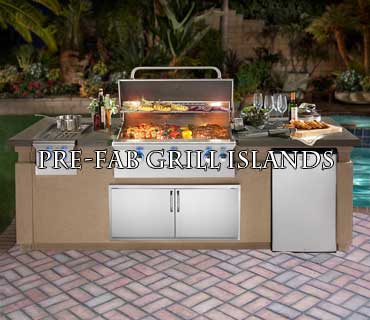
Gas grills are commonly used in grill islands and integrated kitchens. Explore options in: Grills & Smokers.

Charcoal Grills Explained
Charcoal grills use lump charcoal or briquettes and are known for high heat and classic grilling flavor. They reward hands-on cooking and are favored by purists.
Advantages of charcoal grills
- High heat for searing
- Distinct charcoal flavor
- Simple mechanical design
Things to consider
- Longer startup time
- More cleanup after cooking
- Manual temperature control
Charcoal grills work well as standalone units or specialty additions to larger outdoor kitchens.

Pellet Grills Explained
Pellet grills burn compressed hardwood pellets and use digital controllers to regulate temperature. They are often described as outdoor ovens with smoke flavor.
Advantages of pellet grills
- Precise temperature control
- Consistent results for long cooks
- Wood-fired flavor without constant fire management
Things to consider
- Requires electricity
- Less direct high-heat searing than gas or charcoal
- Pellet storage and supply planning

Performance Comparison
- Heat speed: Gas > Charcoal > Pellet
- Flavor intensity: Charcoal > Pellet > Gas
- Ease of use: Gas > Pellet > Charcoal
- Low-and-slow cooking: Pellet > Charcoal > Gas
Maintenance and Ongoing Use
Daily upkeep varies by fuel type. Gas grills require periodic burner cleaning, charcoal grills require ash removal, and pellet grills require hopper management and occasional auger cleaning.
Consider how much hands-on involvement you want during and after each cook.
Which Grill Is Right for You
Choose gas if:
- You grill frequently during the week
- You want a fast startup and easy control
- You are building a permanent outdoor kitchen
Choose charcoal if:
- You enjoy traditional fire management
- Flavor is your top priority
- You grill less frequently but more intentionally
Choose pellet if:
- You cook low-and-slow meats often
- You want set-it-and-forget-it control
- You value consistency over hands-on fire tending
Common Buying Mistakes
- Choosing based on trends instead of cooking habits
- Underestimating space and electrical needs
- Expecting one grill to excel at every cooking style
- Ignoring long-term fuel and maintenance requirements
Key Takeaways
- Gas grills offer convenience and speed.
- Charcoal grills deliver traditional flavor and high heat.
- Pellet grills provide precision and consistency.
- The best fuel type matches how you cook, not what sounds best.
- Planning fuel type early helps avoid layout and utility issues later.