

Which One Makes More Sense for Your Space?
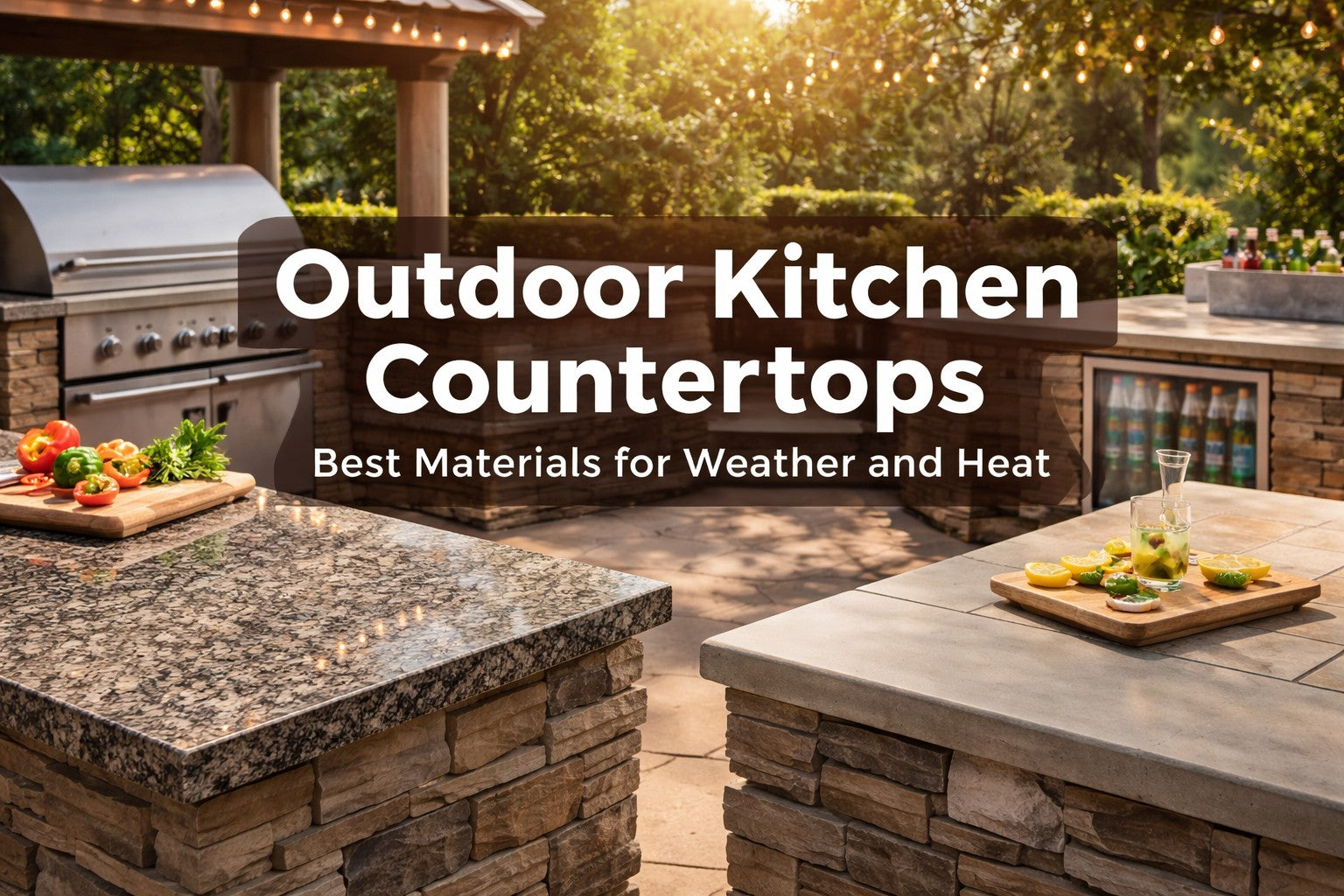
If you're planning an outdoor kitchen, one of the first decisions is whether it belongs under a roof or out in the open. A lot of people treat that like a style choice. It is not. This decision affects cost, ventilation, appliance life, comfort, placement, and how often you will actually use the kitchen once the build is done.
A covered layout usually gives you more protection and more usable days. An open layout usually gives you simpler planning and fewer structural complications. The better choice depends on your climate, the kind of appliances you want to use, and whether this is a basic grill setup or a full outdoor cooking area.
Key Takeaways
- Covered outdoor kitchens protect people and equipment better, but they cost more to build.
- Open outdoor kitchens are simpler and easier to ventilate, but weather exposure catches up with them.
- Roofed layouts need more planning for clearance, airflow, lighting, and utility runs.
- Open layouts work well in mild climates or for simpler grill islands.
- Covered kitchens make more sense when you want longer seasonal use and more appliance protection.
- Your appliance choices should follow the structure, not the other way around.

What a Covered Outdoor Kitchen Is
A covered outdoor kitchen sits under some kind of overhead structure. That might be a pergola, a pavilion, a roof extension tied into the house, or a more substantial framed structure built just for the kitchen.
There is a big difference between partial cover and full cover.
A pergola gives you some shade and visual definition, but it does not stop wind-driven rain or fully protect appliances. A pavilion or solid roof does a lot more. It helps with sun, rain, and general exposure, but it also adds planning issues that people tend to underestimate.
This is the part that gets missed. "Covered" does not automatically mean "fully protected." The amount of real protection depends on the roofing style, side exposure, drainage, and how the kitchen faces prevailing weather.
What an Open Outdoor Kitchen Is
An open outdoor kitchen is a layout with little or no overhead structure. It may still sit on a patio, deck, or concrete slab, but the cooking area is fully exposed to the elements.
This kind of setup usually has fewer structural components. That makes it easier to place, easier to build, and easier to keep ventilated. It also means the appliances, countertops, and finish materials take the full hit from sun, rain, humidity, snow, and debris.
Open layouts are common when the goal is a simpler grill island, a lower build cost, or a cleaner view line across the yard.
Why This Decision Matters
The roof question affects more than comfort.
It changes how you handle smoke and heat. It changes what materials hold up best. It changes how often covers are needed, how quickly surfaces age, and how much planning has to happen before framing starts.
A covered kitchen can feel more finished and more useful year-round. It can also turn into a bad build if ventilation and clearances are treated as an afterthought.
An open kitchen avoids a lot of those structural issues. It just puts more pressure on the appliance and material choices to handle exposure.
Pros of Covered Outdoor Kitchens
Better protection from the weather
A solid overhead structure helps protect the cooking area from rain, direct sun, falling debris, and in some regions, snow exposure. That matters for the cook, but it also matters for the equipment.
Control panels, burners, griddles, refrigeration components, storage drawers, and finish surfaces all benefit when they are not constantly exposed.
More usable across seasons
A covered kitchen is easier to use in light rain, strong sun, and shoulder-season weather. That usually means the space gets used more often.
People picture the finished project on a perfect day. Real life is not built around perfect days. Shade in summer and cover during drizzle or early cold snaps makes a big difference.
Better protection for appliances and finishes
Even well-built outdoor appliances age faster when they live fully exposed. Covered installations can help reduce water intrusion, surface wear, fading, and general weather stress.
That does not make the kitchen weatherproof. It does reduce the daily punishment.
Stronger sense of place
A covered structure usually makes the kitchen feel like a destination instead of just a grill on a patio. For larger projects, this can help the whole layout feel more intentional.
Cons of Covered Outdoor Kitchens
Higher cost
This is usually the biggest drawback.
A covered outdoor kitchen costs more because you are not just building a cooking area. You are also building a structure. That can mean framing, roofing, electrical planning, lighting, ceiling finishes, drainage details, and foundation considerations, depending on the design.
The kitchen itself may not be the expensive part anymore.
More structural requirements
A roof adds load, permitting questions, attachment decisions, and layout constraints. Support posts can affect walking paths, sight lines, and appliance placement.
Moving a support post later is a bad time.
This matters if you're trying to fit a grill, side burner, vent hood, bar seating, and circulation space into one compact footprint. What looks open on paper can feel tight fast.
Ventilation needs more attention
Covered kitchens need more thought around smoke, heat, and clearance. That is especially true when a grill sits below a solid roof or near adjacent walls.
A lot of buyers focus on rain protection and forget that live-fire cooking still needs room to breathe. Depending on the appliance setup and the structure, ventilation planning may become one of the most important parts of the project.

The wrong cover can create a false sense of protection
Some covered layouts look protected without really solving exposure. A pergola with open slats may cut glare, but it will not protect appliances the way a solid roof does. Partial cover can still leave equipment exposed to angled rain and wind-driven moisture.
Pros of Open Outdoor Kitchens
Lower cost and simpler build
Open outdoor kitchens are usually easier and less expensive to plan. There is no roof framing, fewer structural decisions, and less coordination between the kitchen layout and overhead construction.
That simplicity matters. Fewer moving parts usually mean fewer delays, fewer compromises, and fewer things to fix later.
Better airflow and easier ventilation
Open layouts naturally handle smoke and heat better because there is no roof trapping them. That makes placement more flexible and can simplify grill planning.
This does not remove the need for smart spacing, but it usually gives you more margin.
More flexible placement
An open layout can often go where a covered structure cannot. That may help if you are working around setbacks, views, existing hardscape, or limited yard space.
It is also easier to phase the build. Some homeowners start with an open grill island and add structure later once the layout proves itself.
Cleaner, lighter look
Open kitchens can feel less heavy in the yard. That is useful when the goal is to keep the outdoor space visually open rather than anchoring it with a larger built structure.
Cons of Open Outdoor Kitchens
Full exposure to the weather
This is the tradeoff you are accepting.
Sun, rain, snow, freeze-thaw cycles, humidity, and airborne debris all hit the kitchen directly. Even when appliances are rated for outdoor use, constant exposure usually means more maintenance and faster cosmetic wear.
Faster wear on appliances and materials
Open kitchens demand better material discipline. Finishes, gaskets, handles, burners, electronic components, and storage interiors can all show wear sooner when they live unprotected.
Cheap materials get punished first. That usually turns into a rebuild nobody planned for.
Limited usability in rough conditions
If the weather is harsh, the kitchen may sit unused more often. That can be because of heat, rain, snow, wind, or a combination of all four.
An open layout may look great on installation day and still end up being a fair-weather setup in practice.
Covers become part of the routine
Protective covers help, but they are not the same as a real overhead shelter. They also add one more routine step to using the kitchen and one more place for moisture management mistakes if it covers trapped water or humidity.
Climate-Based Recommendations
When covered, it makes more sense
Covered outdoor kitchens usually make more sense when:
- Your area gets frequent rain
- The cooking season runs hot enough that shade matters
- Snow or falling debris is part of the equation
- You want refrigeration, storage, side burners, or a more complete appliance package
- The goal is regular use, not occasional use
In harsher climates, the extra planning often pays off because the kitchen stays usable longer and the equipment has a better chance of aging well.
When open layouts work better
Open layouts usually work well when:
- The climate is relatively mild
- The project is centered on a grill island rather than a full kitchen
- The budget needs to stay tighter
- Airflow is a major concern
- You want flexible placement without committing to a larger built structure
They also make sense when you are still learning how to actually use the yard. A simple open layout can be the smarter first move.
How It Impacts Appliance Choices
Ventilation requirements
Roofed kitchens need stricter thinking around grill placement, heat release, and smoke movement. The more enclosed the structure feels, the more important that becomes.
This is where people get themselves into trouble by choosing appliances first and trying to force the structure around them later.
Plan for the appliance package and the cover together.
Material durability
Open kitchens put more pressure on material quality. Stainless components, outdoor-rated finishes, and weather-tolerant construction matter more when the setup is fully exposed.
Covered kitchens still need outdoor-rated products. They just get a better environment to live in.
Placement considerations
Under a roof, appliance placement has to account for ceiling height, wall proximity, post locations, traffic flow, and where heat and smoke go.
In an open layout, you get more flexibility, but you also need to think about wind direction, direct sun, and how the weather moves across the yard.
Appliance mix
A covered layout often supports a broader appliance package because the space is more protected and more comfortable to use for longer stretches.
An open layout usually rewards restraint. Keep it simple. The more pieces you add, the more exposure-related maintenance you are signing up for.
Common Planning Mistakes
Treating the roof as a style upgrade only
A cover changes the entire job. It affects structure, ventilation, lighting, utilities, and appliance planning. If it gets treated like a decorative add-on, the layout usually suffers.
Assuming partial cover solves weather exposure
It may help. It may not help enough. A pergola and a solid roof are not doing the same job.
Choosing appliances before the structure is settled
This is one of the most common mistakes. Grill size, heat output, ventilation needs, utility routing, and placement should follow the layout plan.
Underestimating maintenance in open layouts
People often budget for the build and forget the long-term wear. Open kitchens can absolutely work well. They just need realistic expectations.
Which One Is Better?
Neither is automatically better.
A covered outdoor kitchen is usually the stronger choice when long-term use, comfort, and appliance protection matter most. An open outdoor kitchen is usually the better choice when you want a simpler build, lower structural cost, and easier airflow.
The right answer comes down to how the space will actually be used.
If this is a full cooking area with multiple appliances and regular use, covering it often makes more sense.
If this is a straightforward grill setup in a mild climate, open may be the smarter move.
Practical Note
The structure should be planned around the cooking setup, not added after the fact. That matters most when the project includes a grill under cover, utility runs, or multiple built-in appliances. If the layout involves live-fire cooking under a roof or any uncertainty around ventilation and safe clearances, get that reviewed by a qualified professional before construction starts.